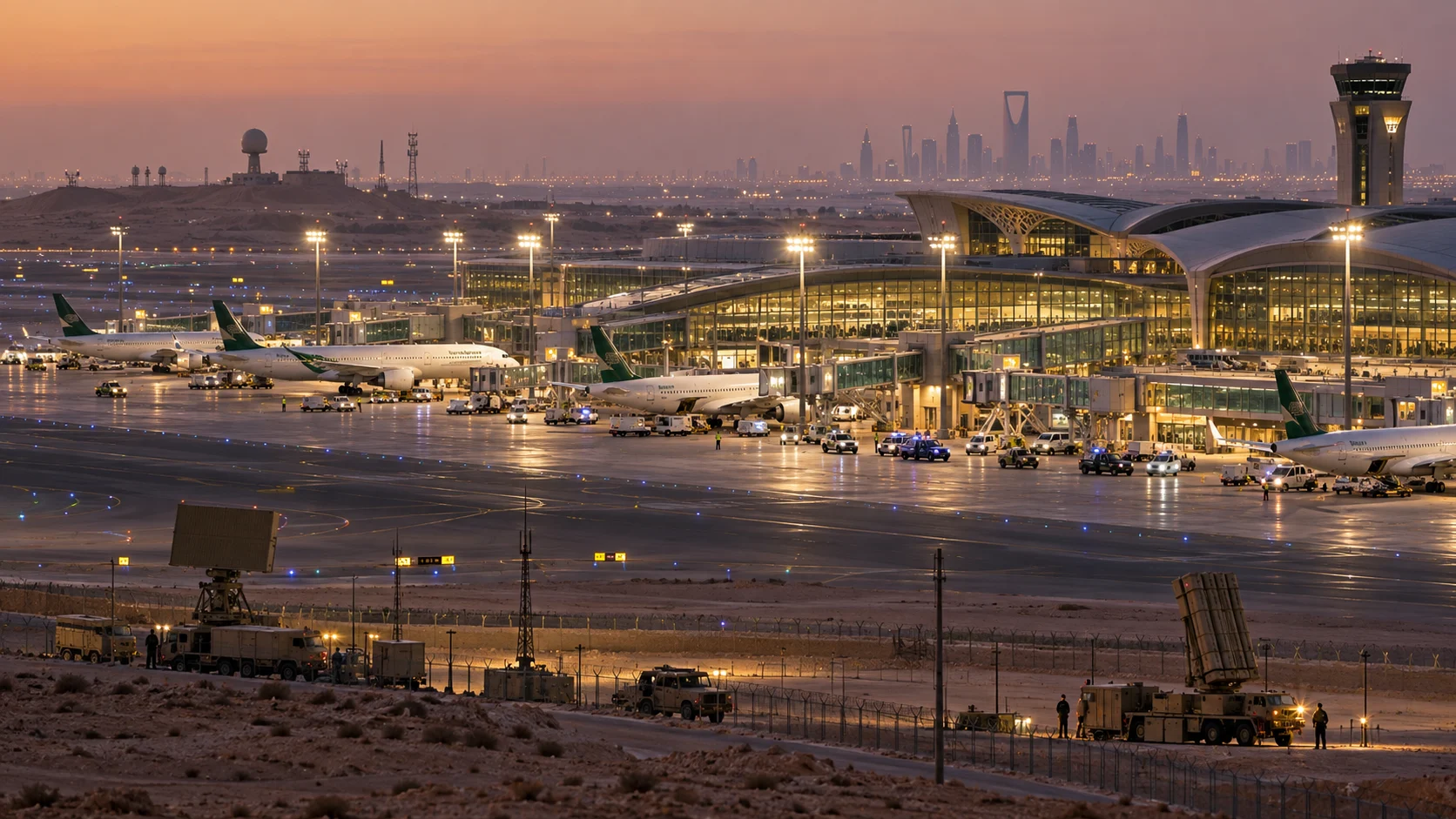
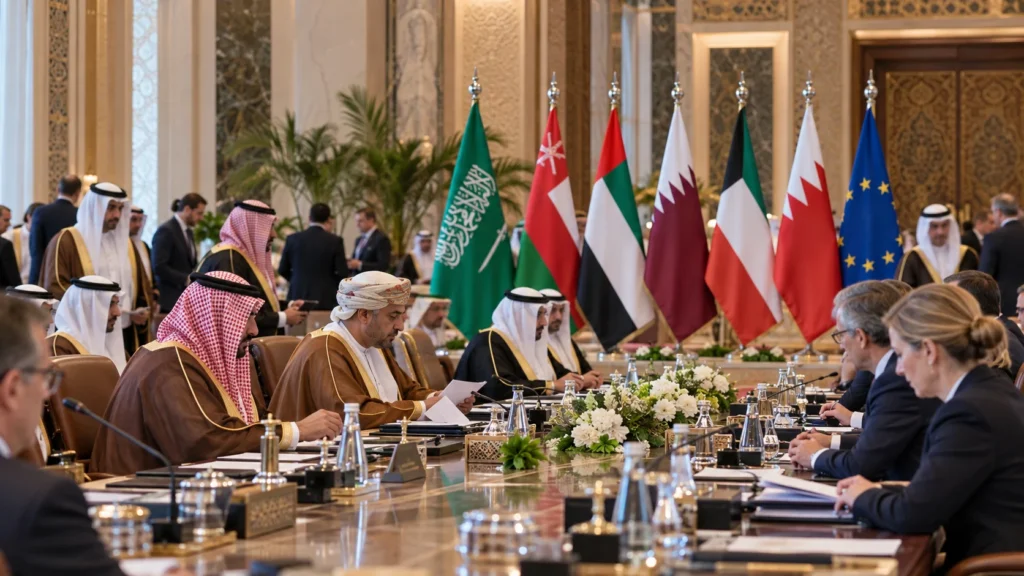
EU-GCC Summit in Saudi Arabia preparations are gathering pace after King Salman sent a written invitation to Oman’s Sultan Haitham bin Tariq to attend the high-level meeting scheduled for October 24.
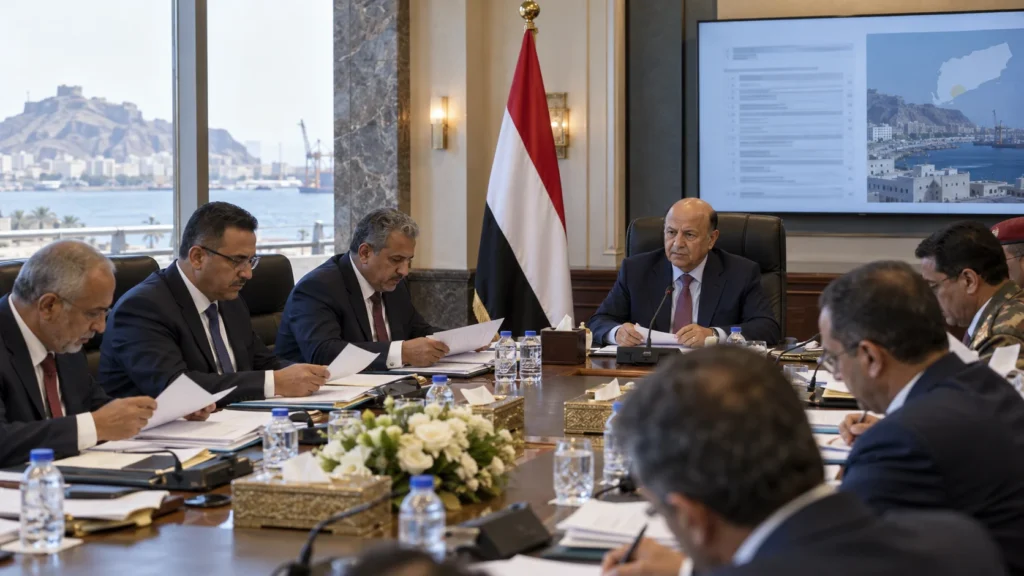
The invitation was delivered in Muscat by Saudi Ambassador to Oman Ibrahim bin Saad bin Bishan to Sheikh Khalifa bin Ali Al-Harthy, Oman’s undersecretary at the Ministry of Foreign Affairs for political affairs, according to the Saudi Press Agency.
The second EU-GCC Summit will bring together leaders from the six Gulf Cooperation Council countries and the European Union, with Saudi Arabia hosting the meeting amid efforts to deepen political, economic and strategic cooperation between the two regional blocs.
EU-GCC Summit in Saudi Arabia Set for October 24
The EU-GCC Summit in Saudi Arabia will take place on October 24, 2026, according to the European Council.
On the European side, the summit will be co-chaired by European Council President António Costa, while European Commission President Ursula von der Leyen is also expected to represent the EU.
The GCC side comprises Saudi Arabia, Oman, the UAE, Qatar, Kuwait and Bahrain.
King Salman’s invitation to Sultan Haitham underscores the importance of full Gulf participation as both blocs seek to build on the first EU-GCC summit and expand cooperation across strategic sectors.
1. Political and Regional Security Cooperation
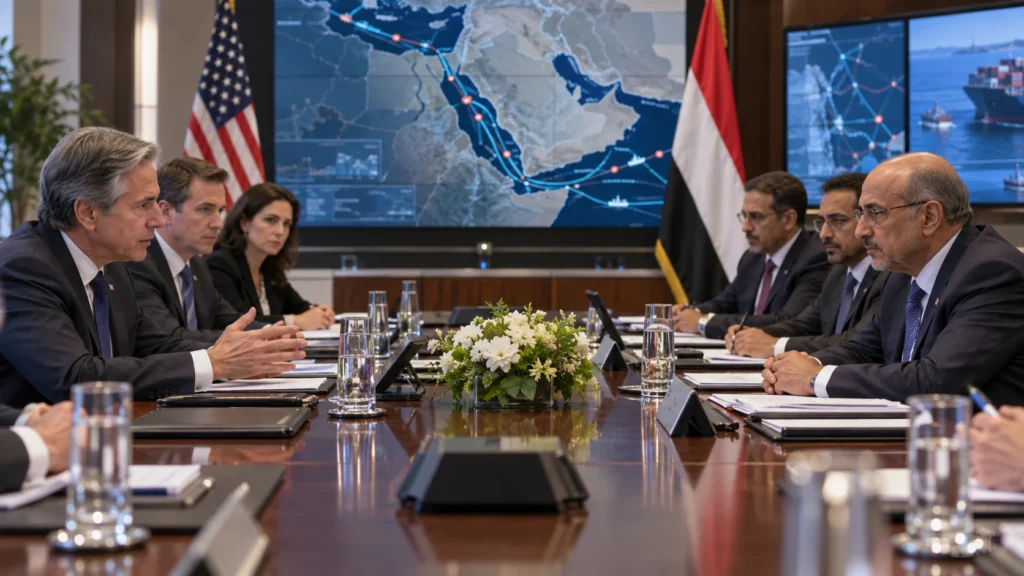
A major focus of the EU-GCC Summit in Saudi Arabia is expected to be political coordination and regional security.
The European Council has described the EU-GCC strategic partnership as being built around political dialogue, coordination and engagement aimed at promoting regional and global peace, security and prosperity.
That agenda has become increasingly important as Gulf and European governments confront overlapping challenges involving energy security, maritime trade routes, regional conflicts and wider geopolitical tensions.
The summit gives Gulf leaders and their European counterparts a platform to coordinate positions and discuss areas where their strategic interests increasingly overlap.
2. Trade and Economic Relations Remain Central
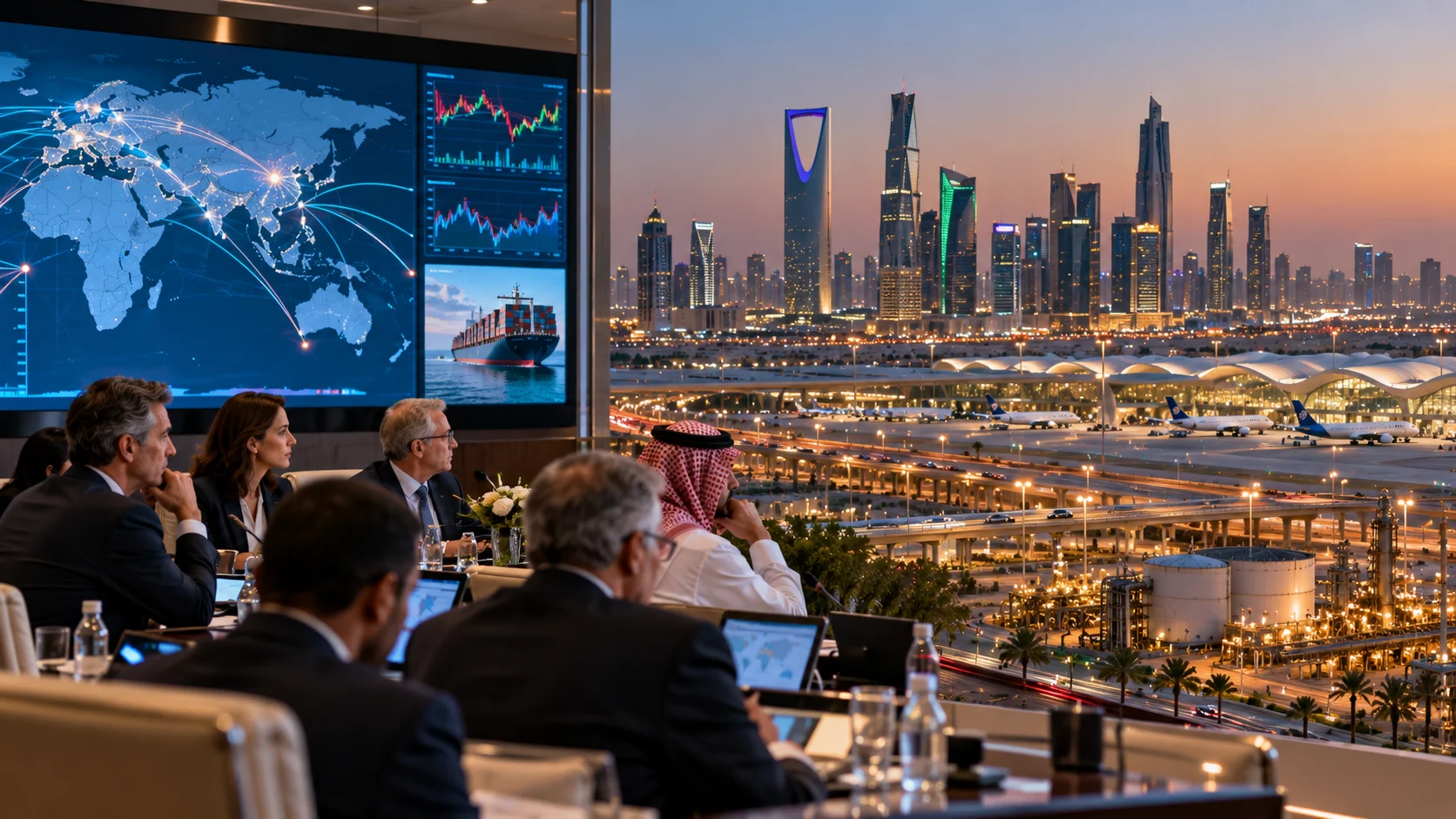
Economic cooperation is another major pillar of the EU-GCC Summit in Saudi Arabia.
The European Union is currently the GCC’s second-largest trading partner. In 2025, total trade in goods between the EU and the six GCC states reached approximately €165.6 billion, according to European Council data.
EU exports to GCC countries were worth nearly €110 billion, while imports from the Gulf totaled approximately €55.6 billion.
Over the previous decade, EU-GCC goods trade increased by almost 30 percent, highlighting the depth of the economic relationship.
For Gulf states pursuing large-scale diversification programs, European investment, technology and industrial partnerships remain important potential growth channels.
Saudi Arabia in particular has been expanding its international economic and industrial partnerships as part of its broader diversification strategy.
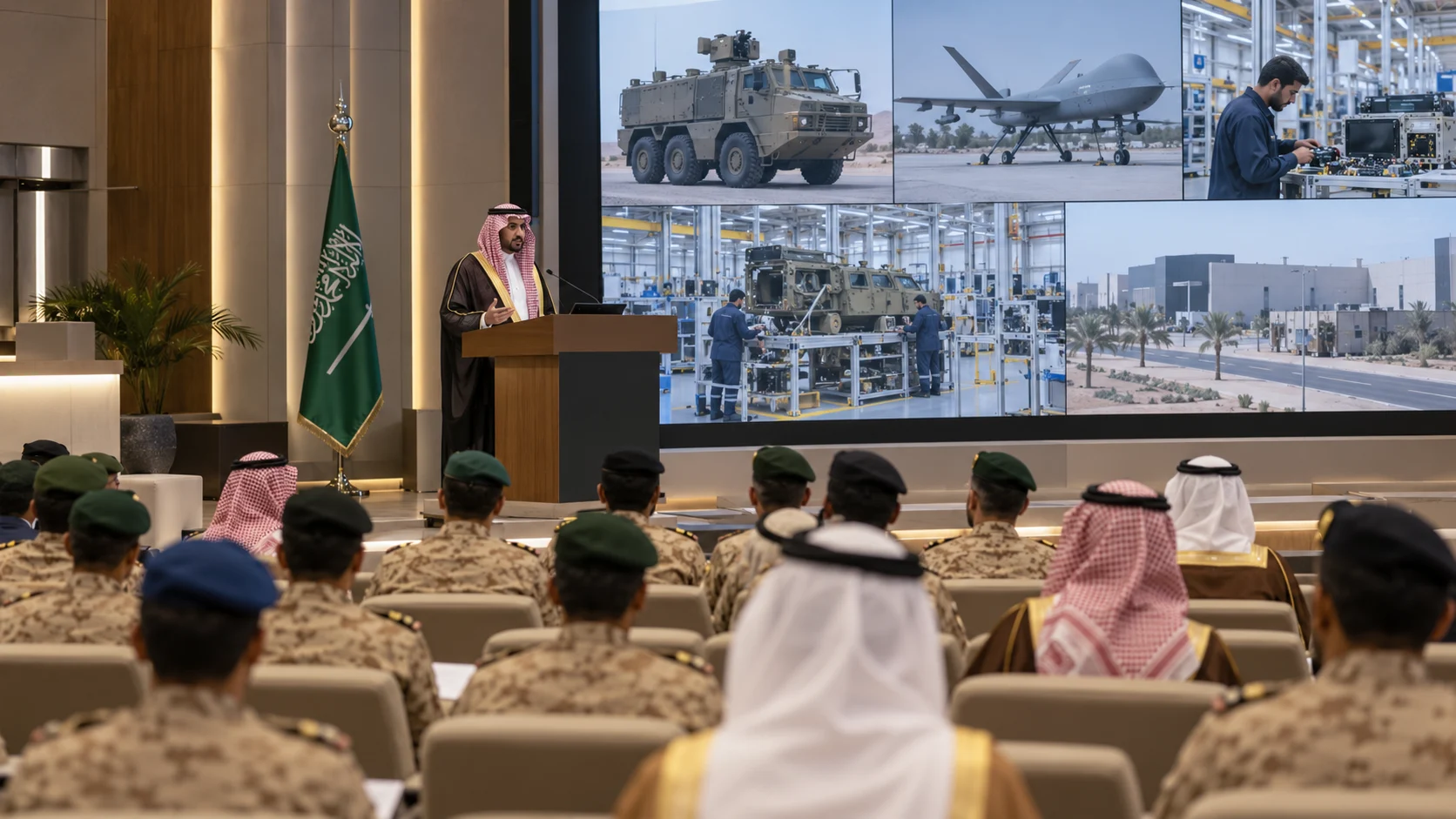
The Arabian Buzz has also reported on the Kingdom’s push to deepen international partnerships and localization through major initiatives such as the World Defense Show 2026 strategic agreements.
3. Energy, Climate and Research Cooperation
Energy and climate cooperation are also expected to remain important parts of the dialogue.
The relationship between the two blocs is rooted in a long-standing cooperation framework covering economic relations, energy, climate, environmental issues and research.
The formal cooperation agreement underpinning EU-GCC ties was signed in Luxembourg in June 1988 and entered into force in January 1990, according to the European Council’s treaty database.
That framework has gradually expanded as Gulf states invest in renewable energy, hydrogen, advanced technology and lower-carbon industrial development.
Europe, meanwhile, continues to view the Gulf as an important energy supplier as well as a potential partner in future clean-energy projects.
Oman’s Role in Gulf-European Relations
Sultan Haitham’s participation would place Oman alongside the other GCC states at a summit intended to represent the Gulf as a collective regional bloc.
Oman has traditionally maintained broad diplomatic and economic relations with both Gulf neighbors and European governments, giving Muscat an established role in regional dialogue.
The invitation sent by King Salman reflects the summit’s emphasis on representation from all six GCC member states.
SPA confirmed that the written message specifically invited Sultan Haitham to participate in the second Gulf-European summit being hosted by Saudi Arabia this month.
EU-GCC Relationship Has Expanded Over Decades
The EU-GCC Summit in Saudi Arabia builds on several decades of formal cooperation.
The GCC was established in 1981, while structured cooperation with Europe developed later in the decade.
Today, the partnership extends beyond trade and energy to areas including research, climate policy, security dialogue and international affairs.
The EU adopted a broader strategic partnership approach toward the Gulf in 2022, aimed at strengthening engagement with the GCC and its member states.
That shift reflected the increasing strategic importance of the Gulf in areas ranging from energy and trade to regional diplomacy and emerging technologies.
Saudi Arabia Prepares to Host Gulf and European Leaders
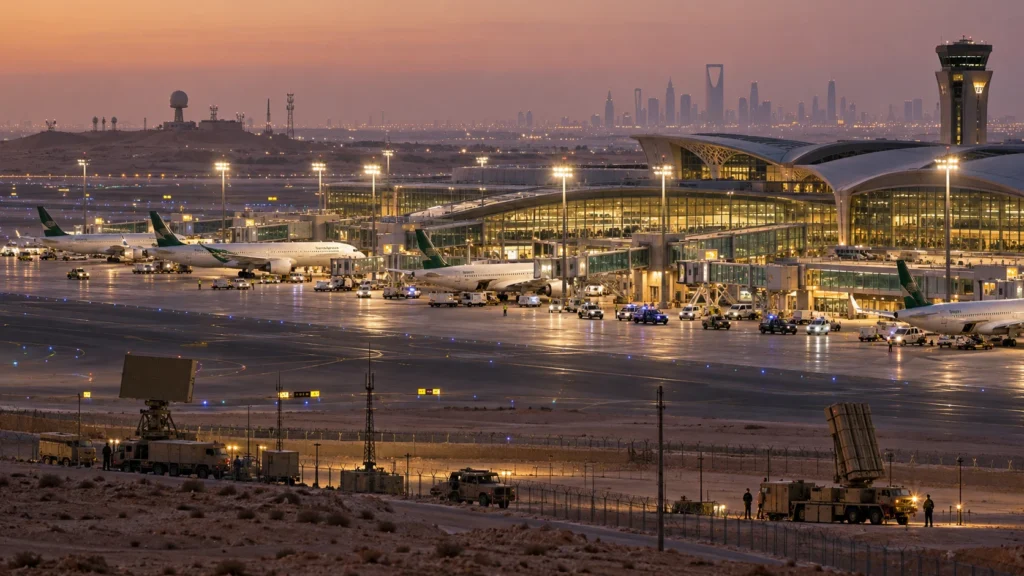
Hosting the EU-GCC Summit in Saudi Arabia also places Riyadh at the center of the next phase of dialogue between the two regions.
The October 24 meeting will provide leaders with an opportunity to review existing cooperation and discuss future priorities at a time of significant economic and geopolitical change.
King Salman’s invitation to Sultan Haitham is one of the diplomatic steps now taking place ahead of the summit.
With trade already exceeding €165 billion annually and cooperation extending across energy, climate, research and security, the second EU-GCC summit is expected to focus on how the two blocs can turn their existing relationship into deeper long-term partnerships.
Source: Saudi Press Agency — King Salman’s invitation
SPA official report
European Council — Second EU-GCC Summit
Official EU summit announcement