
Saudi attacks global economic impact could extend well beyond the Kingdom if regional conflict disrupts energy markets, trade routes and investor confidence, according to International Monetary Fund Managing Director Kristalina Georgieva.
Speaking during the IMF and World Bank Annual Meetings in Bangkok, Georgieva said the Saudi economy is important both regionally and globally, warning that recent attacks could create negative spillovers affecting people far beyond the Middle East.
Her comments came as the IMF assessed a global economy that remains resilient but increasingly exposed to geopolitical shocks, higher energy costs, elevated debt and uncertainty over whether the current artificial intelligence investment boom can sustain growth.
Saudi Attacks Global Economic Impact Extends Beyond the Kingdom
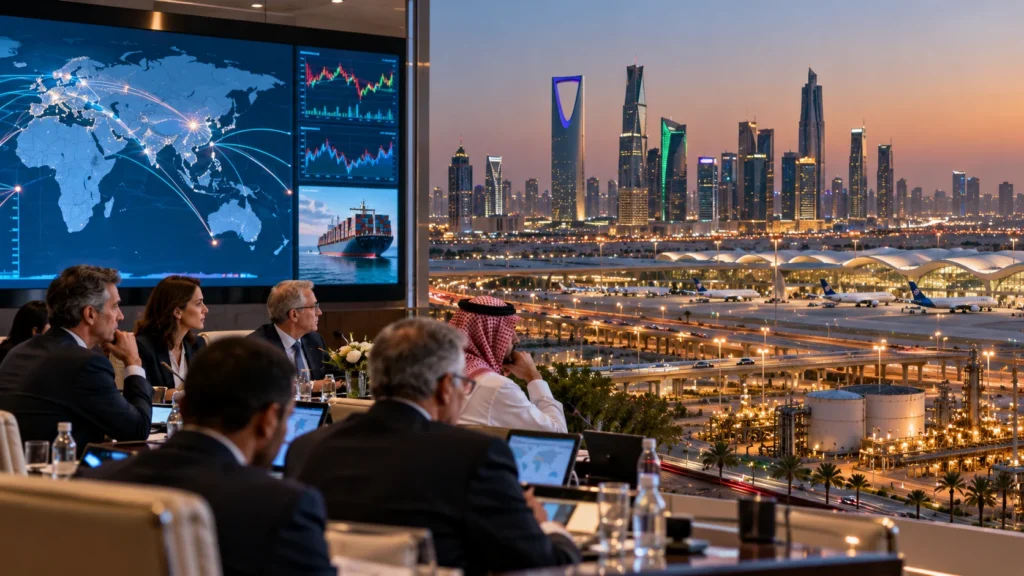
The Saudi attacks global economic impact warning reflects Saudi Arabia’s significance as a major energy producer, regional investment hub and key economy in global trade.
Georgieva said the developments surrounding recent attacks on the Kingdom could create negative spillovers “for everybody, everywhere,” emphasizing that instability in a major Gulf economy can affect markets well beyond national borders.
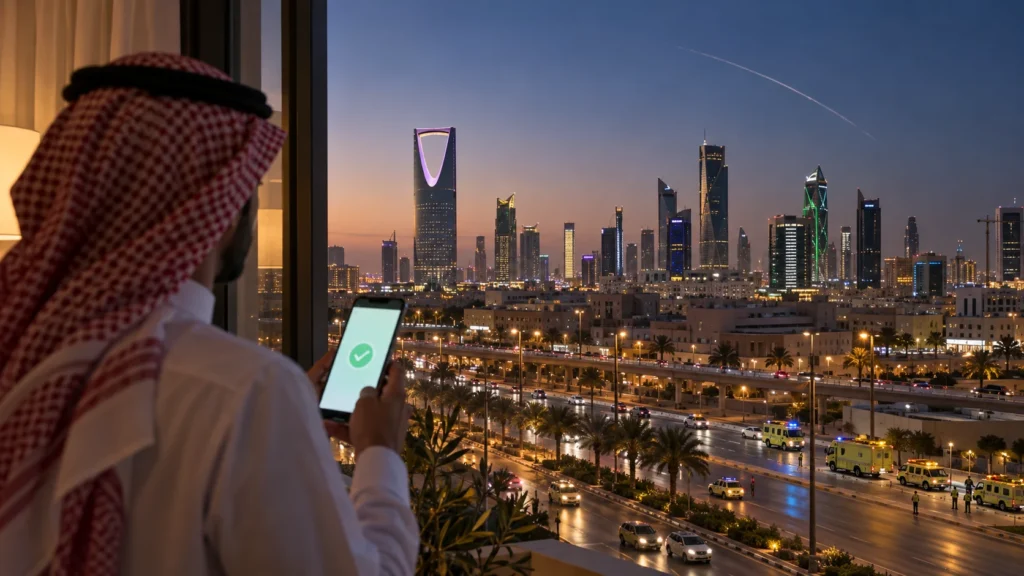
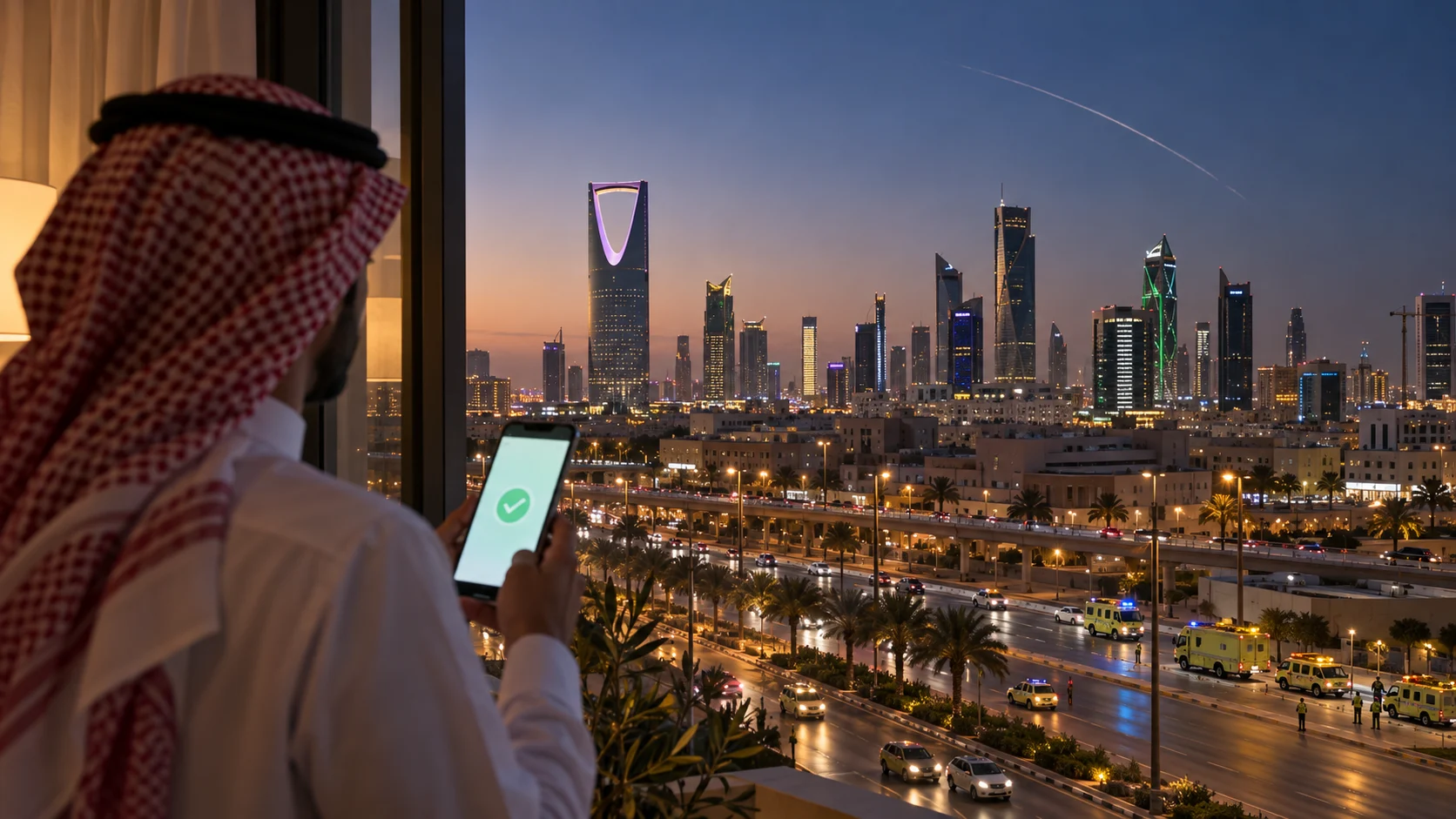
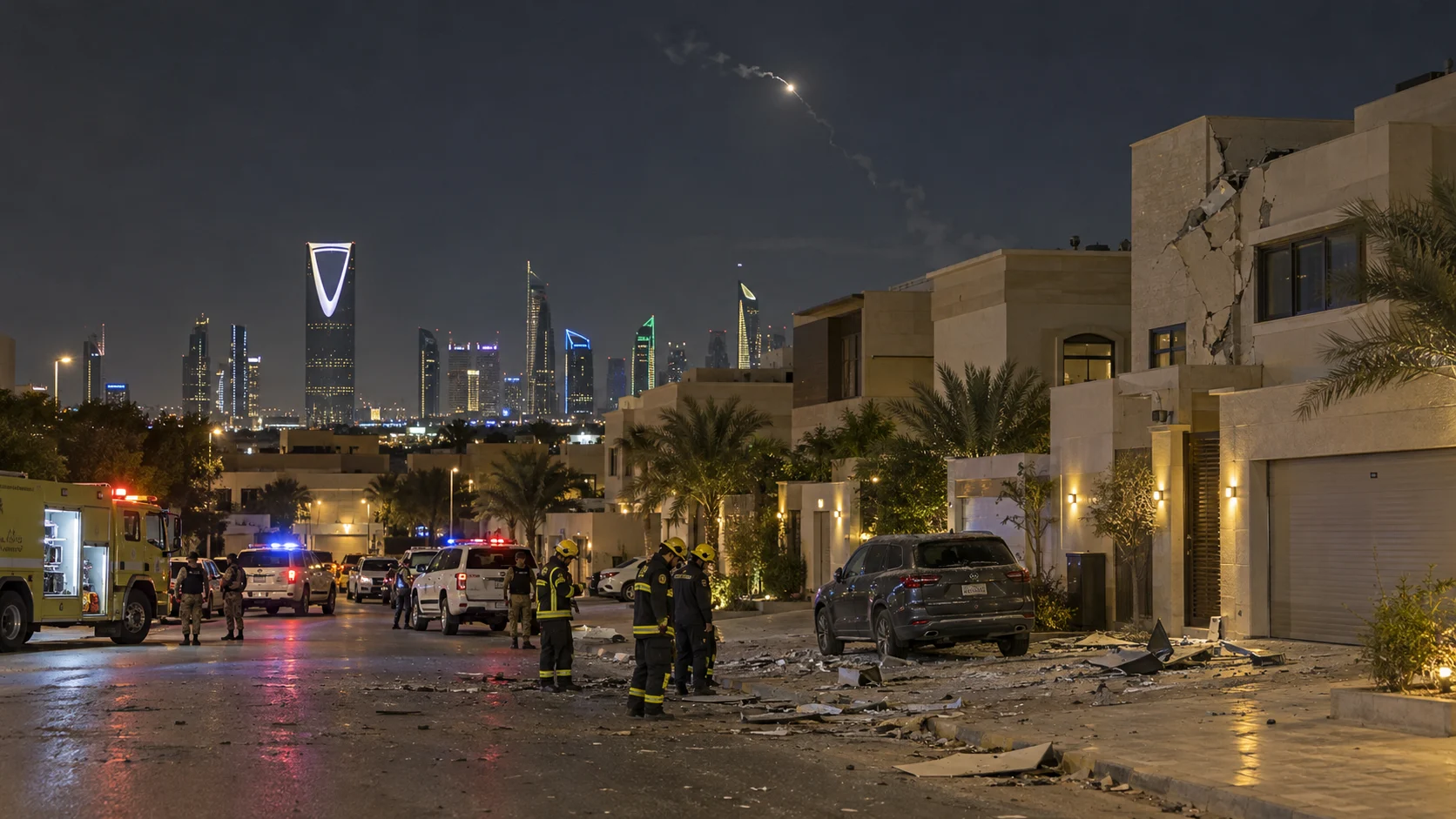
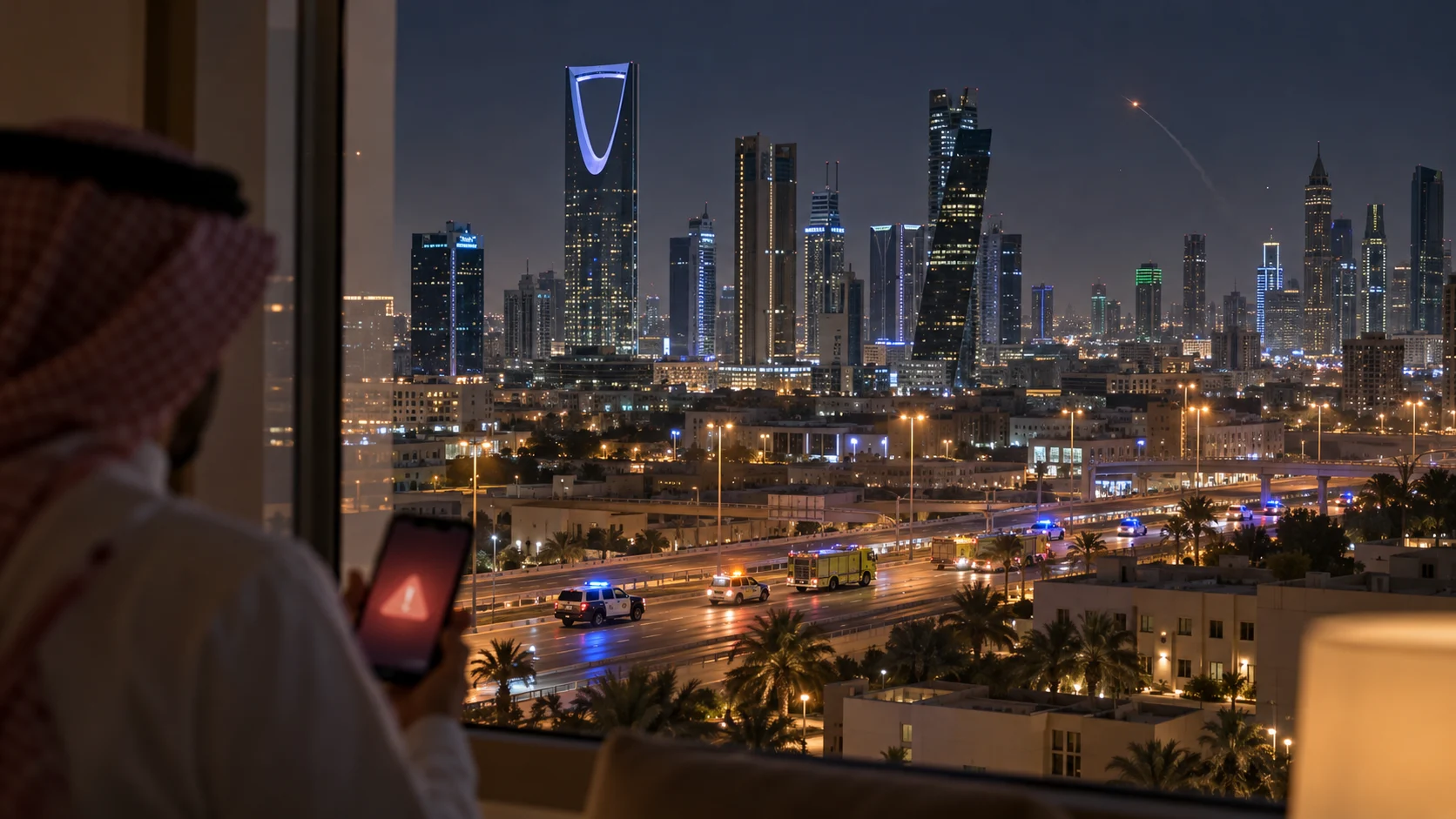
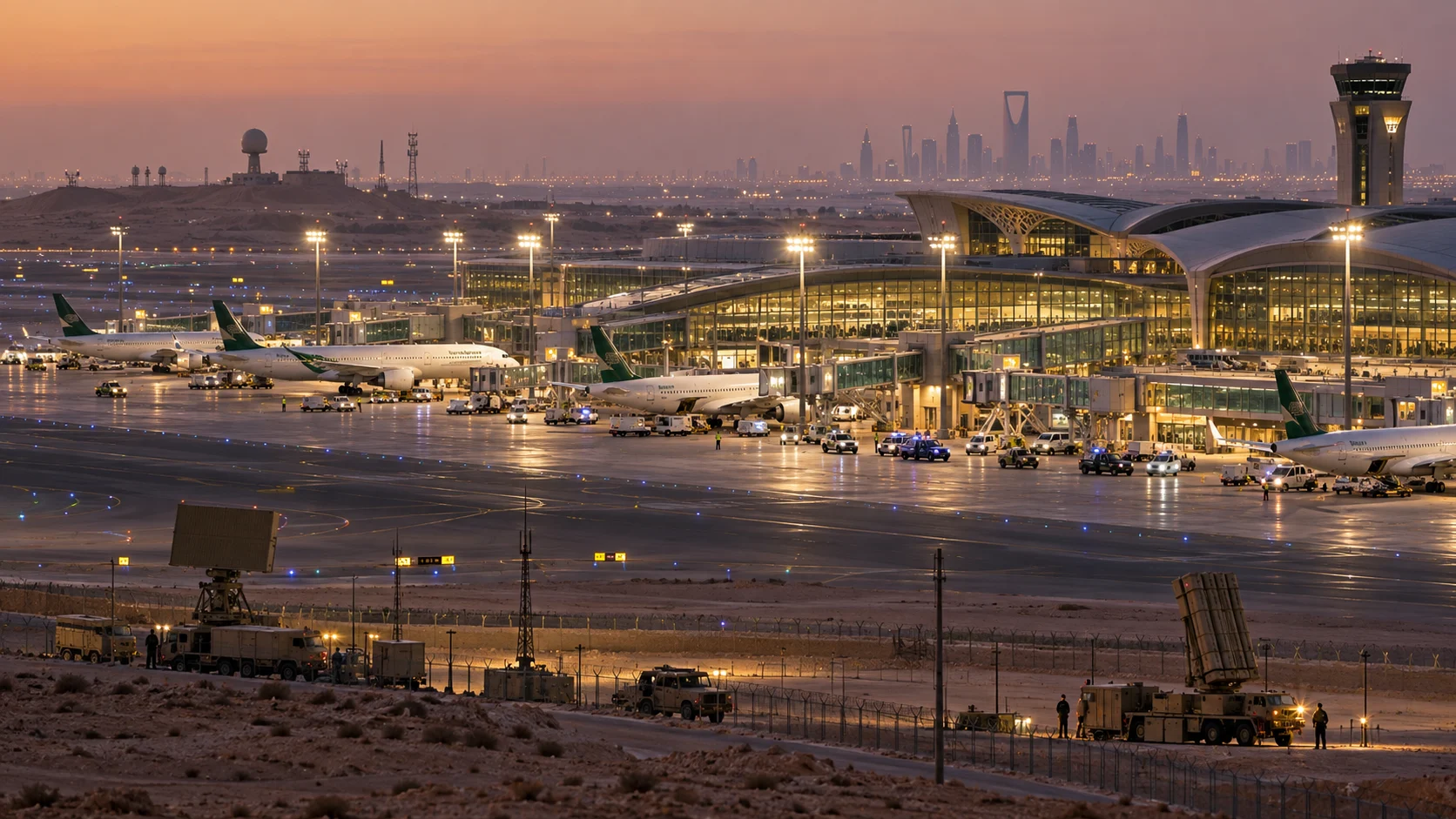
The warning follows recent attacks on Saudi civilian infrastructure, including Riyadh’s King Khalid International Airport, which have added another layer of uncertainty to an already fragile global outlook.
1. Energy Costs Could Rise Further
One of the most immediate channels for a Saudi attacks global economic impact is energy.
The IMF’s latest economic assessment says higher energy and commodity prices linked to conflict are already acting as a negative global supply shock, pushing prices higher while weighing on economic activity.
Saudi Arabia’s role in global oil markets means prolonged instability could amplify concerns about supply security and contribute to volatility in energy prices.
Higher oil and gas prices can feed through to transport, manufacturing, electricity and food costs, particularly in countries that depend heavily on imported energy.
Low-income and energy-importing economies are generally more vulnerable because rising fuel bills can strain government budgets and household finances simultaneously.
2. Trade and Regional Connectivity Face Risks
The Saudi attacks global economic impact could also spread through trade and logistics.
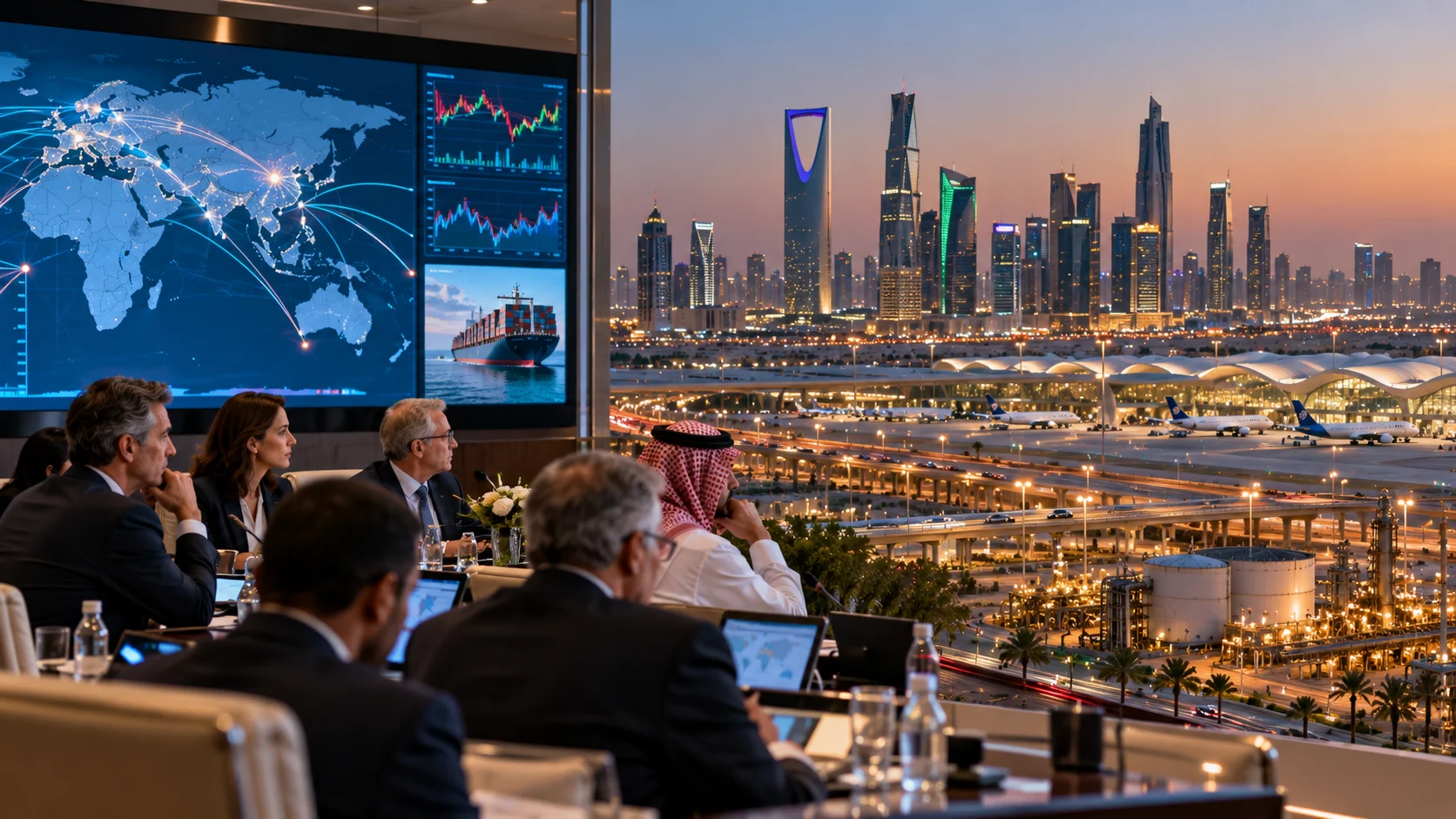
Saudi Arabia sits at the center of major Gulf transport and investment networks, while the wider region includes strategic maritime corridors such as the Red Sea and Bab Al-Mandab.
Escalation that affects airports, shipping routes or regional infrastructure can increase insurance costs, delay freight and make companies more cautious about investment.
That matters because even localized security incidents can have broader consequences if companies reroute cargo, postpone projects or price additional geopolitical risk into contracts.
The IMF has repeatedly warned that worsening geopolitical fragmentation remains one of the major downside risks to the world economy.
3. Higher Debt Leaves Economies More Vulnerable
Georgieva’s warning also came amid concern about the ability of governments to absorb new shocks.
She urged policymakers to repair public finances before vulnerabilities worsen, pointing to the growing burden of debt-service costs.
The IMF says global growth remains resilient, but that resilience is increasingly uneven, with many lower-income and energy-importing economies facing more difficult conditions.
When interest rates are already high, governments have less room to respond to new economic disruptions through large fiscal-support packages.
That means a fresh geopolitical shock could prove more difficult to manage than similar disruptions during periods of lower borrowing costs.
IMF Keeps 2026 Global Growth at 3.1%
Despite the risks, the IMF currently projects the world economy to grow by 3.1 percent in 2026.
Its October assessment describes that performance as resilient but increasingly uneven, with AI-related investment supporting activity in some economies while high energy costs and weaker fundamentals weigh on others.
The Fund expects global growth to strengthen to 3.4 percent in 2027, but risks remain tilted to the downside.
That outlook means the Saudi attacks global economic impact is being assessed against a backdrop of modest global expansion rather than strong, broad-based growth.
AI Boom Provides Support but Also Creates Imbalances
Artificial intelligence investment is one of the stronger forces supporting global activity.
The IMF says the technology boom is boosting demand, investment and trade, particularly in economies positioned to benefit from advanced computing and digital infrastructure.
However, the gains are highly uneven.
Many poorer countries are not benefiting to the same extent while simultaneously facing higher energy and financing costs.
Georgieva has warned that the AI boom could widen economic inequality unless more countries gain access to investment, skills and supporting infrastructure.
Debt Servicing Becomes Bigger Concern
Another major issue discussed at the Bangkok meetings is the rising cost of servicing government debt.
Georgieva said higher interest rates have substantially increased the portion of government revenues devoted to servicing debt, leaving less money available for public investment and social programs.
The IMF’s policy message is therefore focused on strengthening revenues, controlling inefficient expenditure and improving public financial management.
For governments already facing elevated debt burdens, additional energy-price shocks or market volatility linked to regional conflict could compound those fiscal pressures.
Saudi Arabia Remains Important to Regional Growth
The IMF chief’s comments also underline Saudi Arabia’s broader economic importance.
The Kingdom is one of the largest economies in the Middle East and is pursuing major investment programs across infrastructure, tourism, industry, technology and logistics.
That means disruptions affecting Saudi business activity or transport networks can have secondary effects on neighboring economies, investors and international companies with exposure to the Kingdom.
The Saudi attacks global economic impact warning therefore reflects more than oil alone. It also concerns capital flows, regional commerce and investor confidence.
Global Resilience Is Being Tested
The IMF’s current message is that the world economy has absorbed repeated shocks better than many policymakers expected, but its ability to keep doing so is weakening.
Conflict, energy prices, public debt and financial-market volatility are all testing that resilience at the same time.
The latest warning over Saudi Arabia illustrates how regional security events can quickly become global economic concerns when they affect a country with major importance to energy, trade and investment.
For policymakers, the IMF’s message is that stronger fiscal foundations and greater international cooperation will be essential if new geopolitical shocks continue to emerge.
The warning also comes as Gulf economies navigate a more uneven regional outlook, despite continued diversification reflected in recent UAE economy growth 2026 data.
Source: Arab News — IMF chief’s comments
IMF chief says Saudi attacks could have negative spillover everywhere
IMF — 2026 Annual Meetings schedule
IMF and World Bank Annual Meetings 2026
IMF — latest global economic outlook briefing
IMF World Economic Outlook briefing