






Riyadh danger warning lifted after Saudi Civil Defense confirmed on Wednesday that the immediate threat to the capital had passed, following earlier alerts issued through the Kingdom’s National Early Warning Platform.
The authority also lifted a similar warning for Al-Kharj Governorate while urging residents in both areas to continue following official safety instructions.
The all-clear came after Maj. Gen. Turki Al-Maliki, spokesman for the Coalition to Restore Legitimacy in Yemen, said Saudi defenses had intercepted and destroyed a Houthi ballistic missile targeting Riyadh.
Riyadh Danger Warning Lifted After Missile Threat
The Riyadh danger warning lifted announcement was issued after Saudi authorities determined that the immediate security risk had ended.
Saudi Civil Defense said the danger had passed in Riyadh and issued a similar notification covering Al-Kharj Governorate.
The earlier alerts were distributed through Saudi Arabia’s National Early Warning Platform, which is used to provide residents with emergency information and safety instructions during potential threats.
Even after the all-clear, authorities asked the public to remain cautious and continue following official guidance.
1. Ballistic Missile Targeting Riyadh Intercepted
The warning coincided with another missile threat against the Saudi capital.
Al-Maliki said a Houthi ballistic missile targeting Riyadh was intercepted and destroyed on Wednesday.
Saudi Arabia has faced repeated missile and drone attacks in recent weeks, leading to frequent air-defense operations and emergency alerts in several regions.
The latest interception came only hours after Saudi authorities reported injuries and property damage linked to debris from earlier missile interceptions over Riyadh.
2. Residents Told to Avoid Gathering and Filming
Although the Riyadh danger warning lifted notice confirmed the immediate threat had passed, Civil Defense maintained several safety instructions.
Residents were specifically advised to avoid gathering near suspected impact or debris sites and not to film security operations.
Saudi authorities also warned that photographing, publishing or sharing information connected to missile and drone interception operations or their impact locations can expose individuals to legal liability.
Such restrictions are intended to prevent the release of sensitive operational information while also protecting residents from unexploded debris or other hazards.
Civil Defense reminded residents to call 911 in an emergency.
3. Four Injured in Earlier Riyadh Interceptions
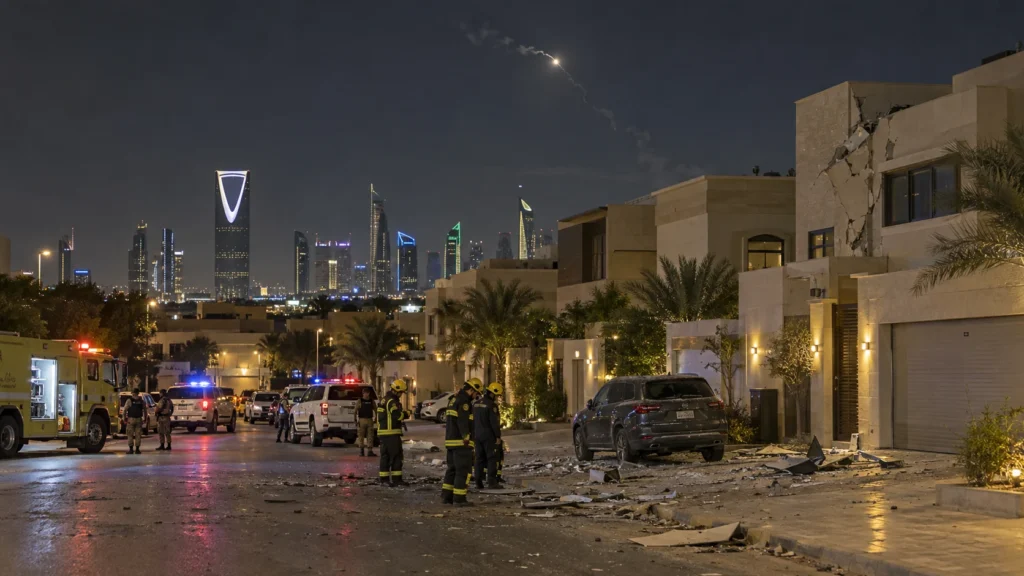
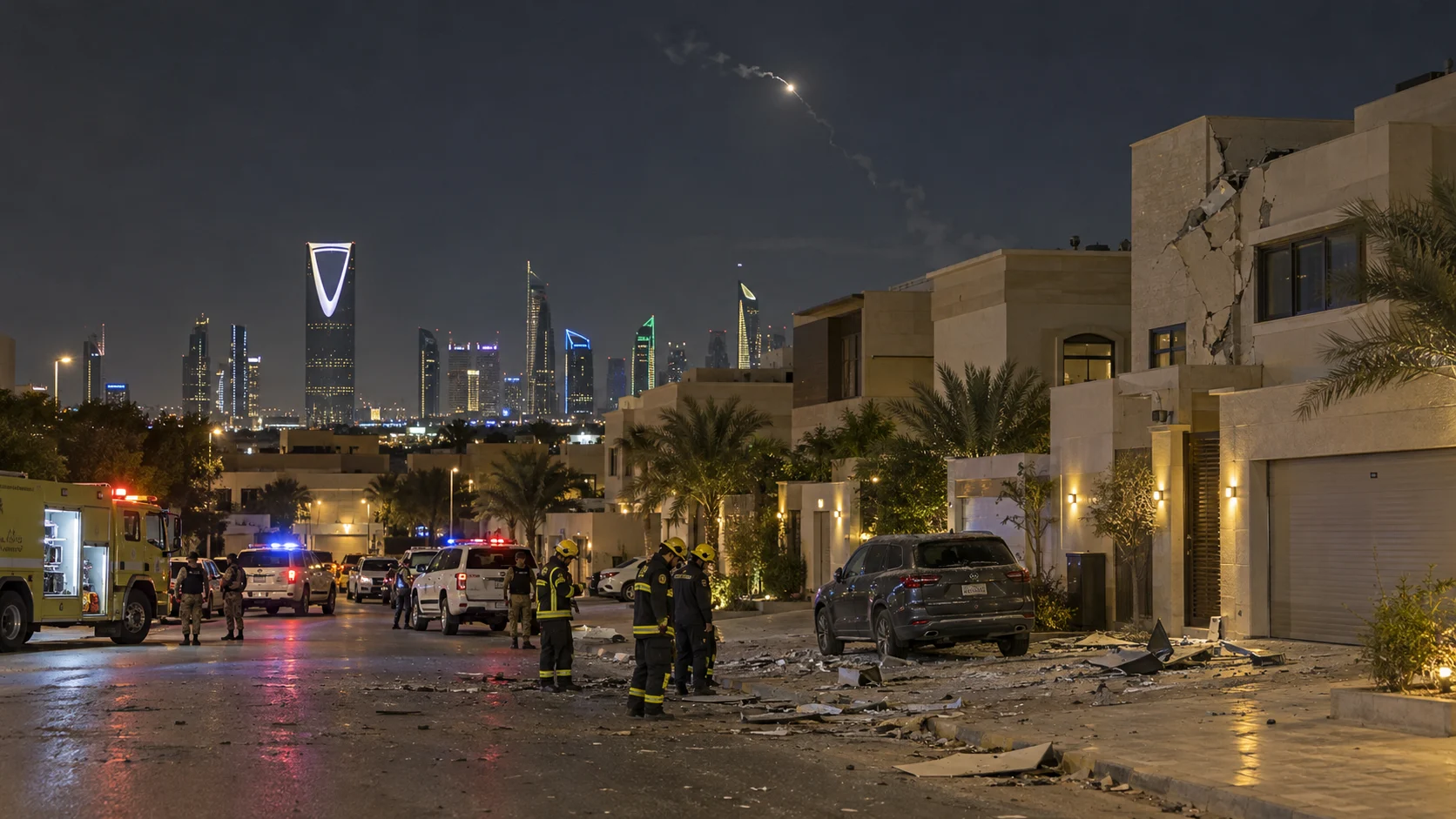
The latest alert followed an earlier incident in which four people were injured by falling debris after Saudi air defenses intercepted Houthi missiles over Riyadh.
Saudi Civil Defense said fragments from two intercepted cruise missiles fell around approximately 15 residential homes.
The incident demonstrates that even a successful interception can create risks on the ground as missile fragments fall over populated areas.
Images released by Saudi Civil Defense showed damage to civilian residences.
Al-Kharj Also Receives All-Clear
The Riyadh danger warning lifted announcement was accompanied by a similar update for nearby Al-Kharj Governorate.
Al-Kharj has also been affected by the latest series of aerial threats.
Coalition officials said a cruise missile targeting the governorate was destroyed during the wider security response.
The lifting of alerts for both locations indicated that authorities considered the immediate threat contained.
Saudi Arabia Faces Continued Missile and Drone Threats
Wednesday’s events are part of a wider escalation involving repeated missile and drone launches toward Saudi Arabia.
Saudi defenses intercepted five drones and six missiles targeting locations across the Kingdom on Tuesday, according to coalition statements. These included threats toward Riyadh and other areas.
Earlier this month, debris from another intercepted Houthi ballistic missile damaged a kindergarten and medical center in Riyadh.
These incidents have placed increasing emphasis on the Kingdom’s early-warning and air-defense capabilities.
Why Early Warning Alerts Matter
Saudi Arabia’s National Early Warning Platform is designed to quickly notify people in areas affected by potential emergencies.
During missile or drone incidents, alerts can provide instructions on remaining indoors, avoiding exposed locations and monitoring official announcements.
Authorities can later issue an all-clear once the immediate threat is assessed to have passed.
A similar sequence of warnings and subsequent all-clear announcements has occurred in Riyadh and Al-Kharj during previous security incidents.
Public Safety Guidance Remains in Effect
The Riyadh danger warning lifted notification does not mean residents should disregard subsequent Civil Defense instructions.
Authorities continue to advise people to avoid debris or impact areas because fragments from intercepted missiles and drones may remain hazardous.
Residents should also rely on official government channels rather than unverified social media reports during active security incidents.
Wednesday’s all-clear confirms that the immediate threat to Riyadh and Al-Kharj had passed, but the interception of another ballistic missile highlights the continuing security pressure facing the Kingdom.
For residents, the central message from Saudi Civil Defense remains straightforward: follow official alerts, avoid gathering around incident locations and contact emergency services when necessary.
The all-clear followed the interception of a Houthi missile targeting Riyadh, part of a wider series of aerial threats against the Kingdom.
Source: Arab News — original report
Saudi Civil Defense lifts danger warning for Riyadh and Al-Kharj
Arab News — missile interception report
Houthi missile targeting Riyadh intercepted