








US Claims Higher Returns on Venezuelan Oil Sales After Maduro’s Ouster
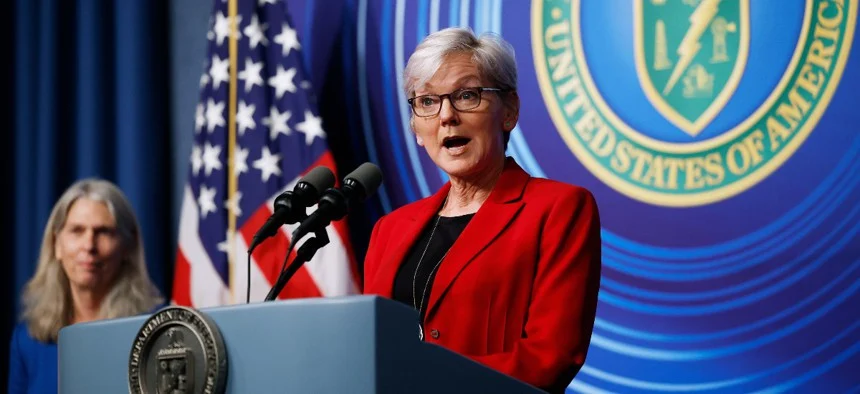
WASHINGTON — The United States is securing significantly higher prices for Venezuelan crude oil than Caracas did just weeks ago, according to US Energy Secretary Chris Wright, highlighting a dramatic shift in control and pricing following recent political developments in Venezuela.
Speaking at a US Energy Association event on Thursday, Wright said Washington is realizing roughly 30 percent higher prices for Venezuelan oil compared to what the country earned before US special forces captured President Nicolas Maduro earlier this month.
“We’re getting about a 30 percent higher realized price when we sell the same barrel of oil than they sold the same barrel of oil three weeks ago,” Wright said, without providing specific price figures before or after Maduro’s capture.

The comments come after the United States completed the first sales of Venezuelan crude under a $2 billion agreement reached earlier this month between Washington and Caracas. A US official told Reuters that the initial tranche of sales was valued at approximately $500 million, with additional shipments expected in the coming days and weeks.
President Donald Trump’s administration has said it plans to sell up to 50 million barrels of Venezuela’s stranded oil and continue marketing newly produced Venezuelan crude indefinitely.
Prior to the recent developments, Venezuela’s state oil company PDVSA had been forced to offer deep discounts due to US sanctions, quality issues, and intense competition from heavily discounted Russian and Iranian crude. In December, buyers in Asia reportedly demanded steep price cuts amid heightened risks associated with loading cargoes in Venezuela.
Traders said Venezuela’s flagship Merey heavy crude struggled to attract buyers even at discounts of around $14 per barrel below Brent crude, particularly among Chinese independent refiners. Sanctions-related risks and abundant alternative supply from other sanctioned producers further weakened demand.
US officials argue that the higher prices now being achieved reflect improved market access, reduced risk perceptions, and more efficient trading mechanisms under US oversight. The development underscores how geopolitical shifts and sanctions regimes can rapidly reshape global oil flows, pricing power, and revenue distribution.
The evolving situation is expected to have broader implications for global energy markets, particularly as the US seeks to balance supply, manage sanctions enforcement, and influence oil price stability amid ongoing geopolitical uncertainty.