






Shared Rival, Split Strategy: Why the US and Israel Are Not Aligned on Iran
WASHINGTON / TEL AVIV — Despite their close alliance, the United States and Israel are increasingly diverging in how they approach their shared adversary, Iran, as diplomatic signals from Washington contrast with Israel’s more hardline stance, analysts say.
While both countries view Iran as a central regional threat, their strategies appear to be moving in different directions. US President Donald Trump has recently shifted toward the possibility of negotiations with Tehran over its nuclear program, even after previously threatening military action in response to Iran’s deadly crackdown on protests that erupted in December.
Talks between Washington and Tehran are expected to take place on Friday in Oman, according to diplomatic sources.
Israel, however, is maintaining an uncompromising posture. Prime Minister Benjamin Netanyahu has repeatedly warned that Israel would respond forcefully to any Iranian attack and has voiced deep skepticism about Tehran’s intentions.
“Israel and Trump share a common enemy, but not exactly the same agenda on Iran,” geopolitical analyst Michael Horowitz told AFP.
Experts say Israel is pushing for a long-term weakening — or even the collapse — of Iran’s clerical leadership. According to Horowitz, Israel’s objective is either regime change or, at minimum, the complete dismantling of Iran’s nuclear and missile capabilities, with the option of further military strikes if deemed necessary.
Trump, by contrast, appears reluctant to risk a prolonged conflict. Analysts note that the US president has little domestic incentive to engage in a long war with Iran, particularly as Washington weighs diplomatic off-ramps.
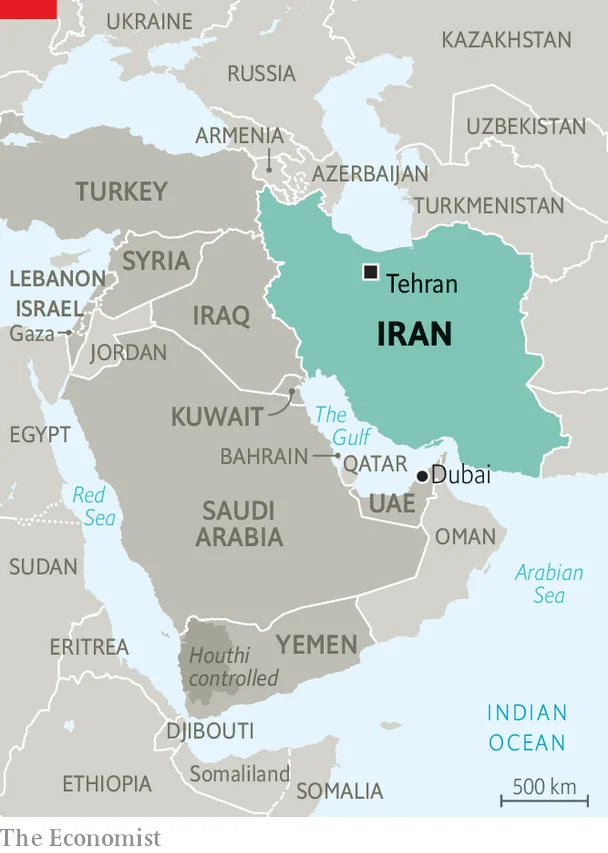
The divergence carries serious implications. Any US strike on Iran could leave Israel, located roughly 2,000 kilometers away, exposed to immediate retaliation. Netanyahu has warned that Israel would respond with unprecedented force if attacked.
Public opinion inside Israel also reflects uncertainty. A recent poll by the Israel Democracy Institute found that 50 percent of Israelis support military action against Iran only in retaliation, while 44 percent favor strikes coordinated with the United States.
According to International Crisis Group expert Mairav Zonszein, domestic politics further explain the divide. Netanyahu, she said, has built much of his political career around confronting the Iranian threat, while Trump has little to gain politically from escalation.
The two countries have been bitter adversaries since Iran’s 1979 Islamic Revolution. Last year, tensions erupted into a 12-day conflict following Israeli strikes on Iranian military and nuclear sites. The US joined the offensive by hitting three Iranian nuclear facilities before a ceasefire brokered by Trump took effect.
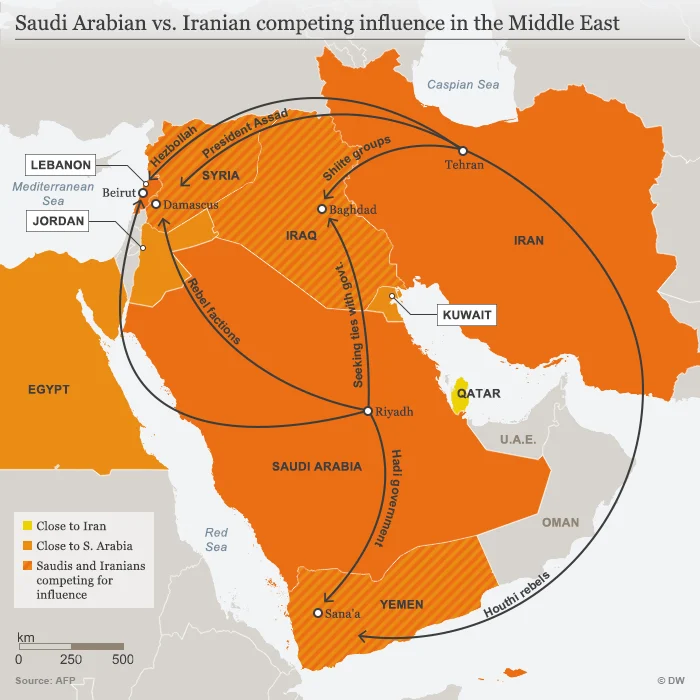
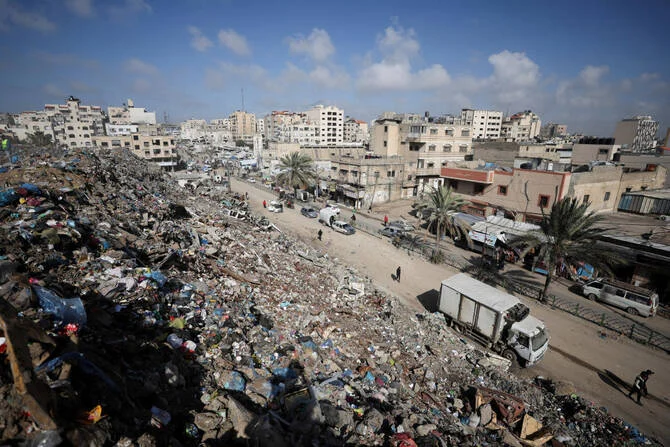
Since then, confrontations have continued indirectly, including missile and drone attacks linked to the Gaza war and the broader regional fallout involving Hezbollah and Hamas.
While some Israeli officials say a negotiated deal could be acceptable under strict conditions — including Iran abandoning its missile program and recognizing Israel’s right to exist — analysts argue such terms are unrealistic.
“The main divide is that Israel has always favored military action to deal with Iran, while the Trump administration prefers diplomacy,” Zonszein said.
As talks loom and tensions persist, the fault lines between Washington and Tel Aviv underscore a complex reality: shared threats do not always translate into shared strategies.