



In Sudan’s Old Port of Suakin, Dreams of a Tourism Revival Endure
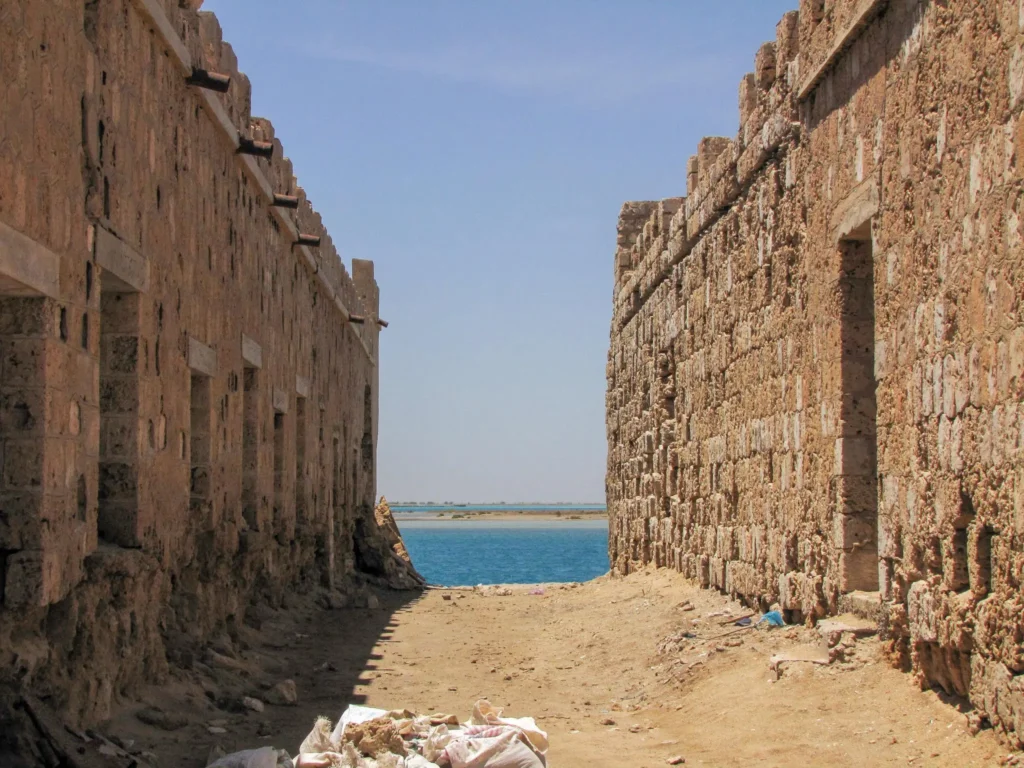
SUAKIN, Sudan — On a quiet island in the Red Sea, the ruins of Suakin whisper stories of prosperity, pilgrims, and global trade. Once known as the “White City” for its luminous coral-stone architecture, the ancient Sudanese port now stands as both a relic of the past and a symbol of enduring hope.
Despite being spared the direct destruction of Sudan’s many wars, Suakin has slowly crumbled under time, neglect, and the country’s ongoing conflict between the army and paramilitary forces. Yet within its decaying walls, a vision of revival is quietly taking shape.
“It was called the ‘White City’,” said Suakin’s mayor Abu Mohamed El-Amin Artega, referring to the coral stones harvested from the seabed that once defined the city’s striking skyline. A leader of the Artega tribe — custodians of Suakin since the sixth century — Artega describes the town as “Sudan’s great treasure.”
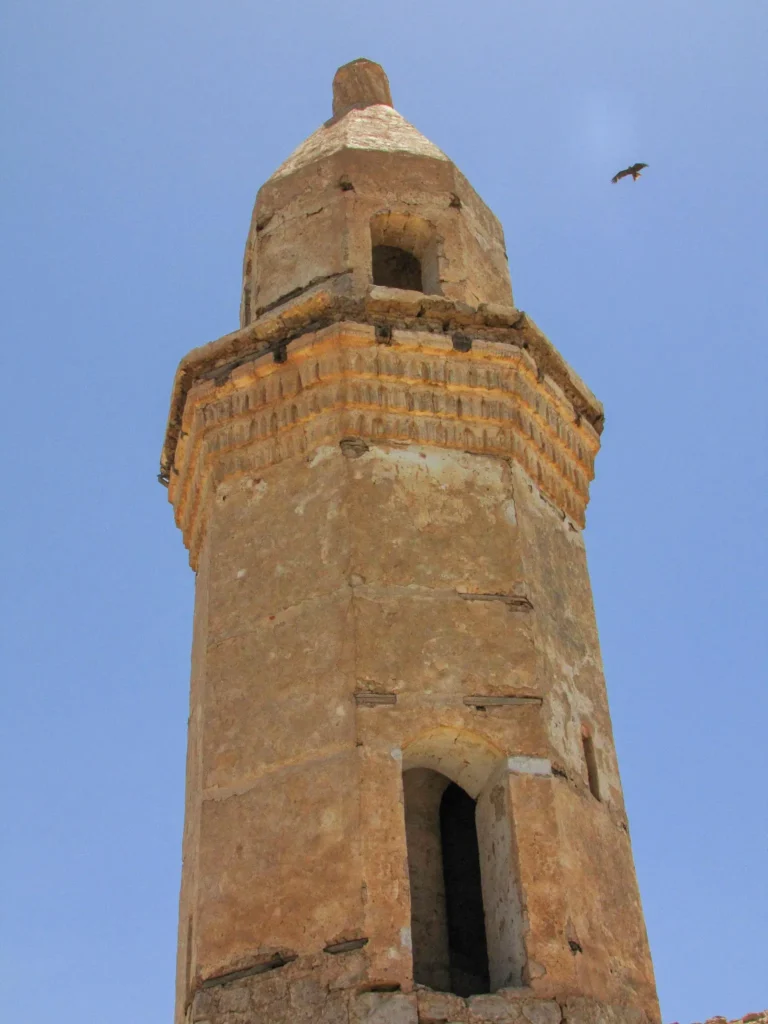
Inside the ruins of one of Suakin’s historic mosques, restoration work is underway for the first time in more than a century. The project is supported by the British Council and UNESCO, and implemented by the association Safeguarding Sudan’s Living Heritage from Conflict and Climate Change (SSLH).
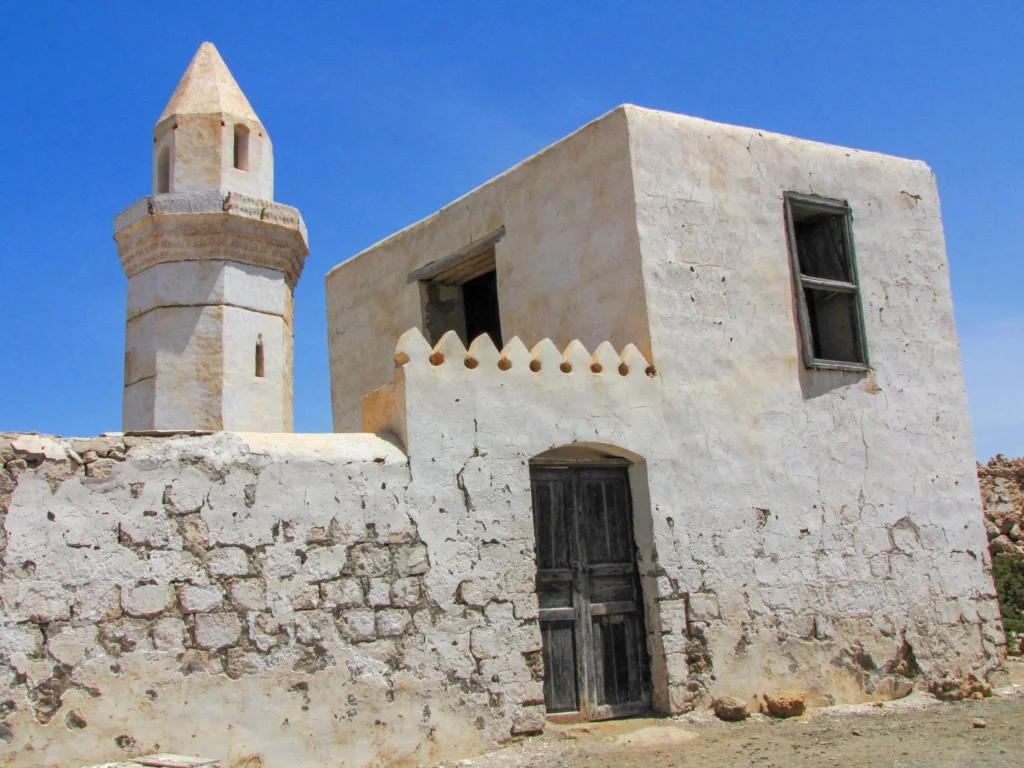
“Before the war, tourists came from everywhere,” said SSLH engineer Ahmed Bushra. “When peace returns to Sudan, we hope they will return to enjoy this beautiful heritage.”
Architecture student Doha Abdelaziz Mohamed, 23, is among the young Sudanese working on the restoration. “I was stunned by the architecture,” she said, noting that many of the traditional construction techniques are no longer practiced today. “We are here to preserve our people’s heritage.”
For centuries, Suakin served as a vital transit hub for merchant caravans, pilgrims traveling to Makkah and Jerusalem, and regional trade routes. Its fortunes changed dramatically in 1905 when British authorities developed Port Sudan, drawing commerce and residents away.
A brief resurgence followed in the 1990s with the opening of a passenger port linking Suakin to Jeddah, and later in 2017 when former president Omar Al-Bashir granted Turkiye a long-term lease to restore the old city. However, political upheaval and renewed conflict halted progress.
Today, amid rusting ships and silent lagoons, optimism remains. Once restoration is complete, Bushra envisions cultural festivals and the return of tourism.
“When we finish the restoration,” he said, “tourists will come again.”
Source: Arab News / AFP