

US Open to Talks With Iran, But Rubio Insists Missiles and Militias Must Be on the Table
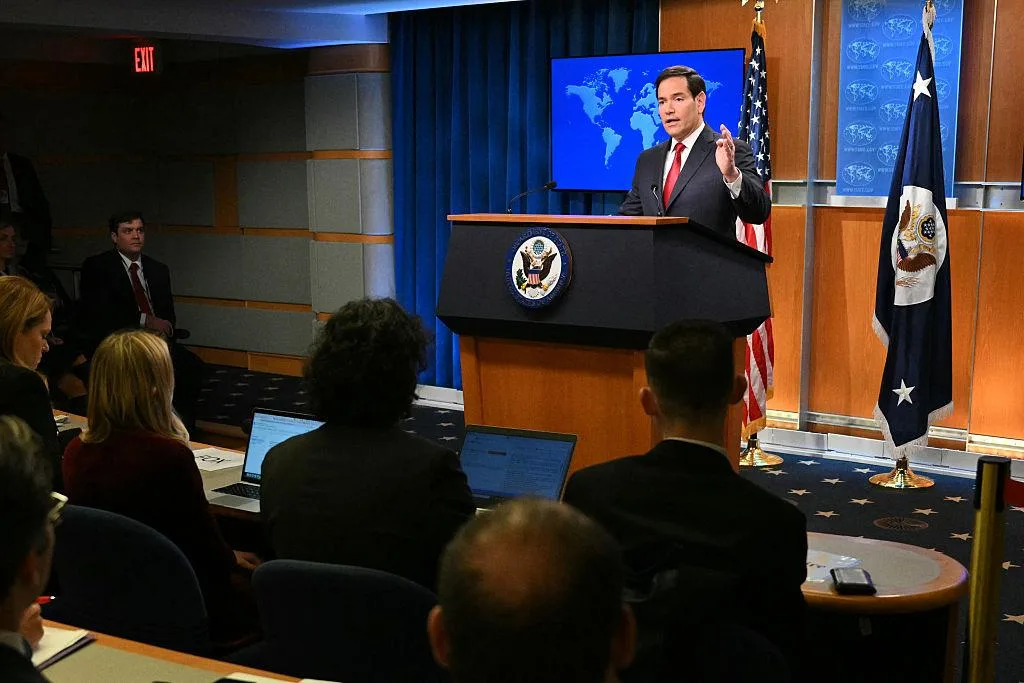
WASHINGTON — The United States is prepared to engage in talks with Iran as early as this week, but any discussions must go beyond Tehran’s nuclear program and address its missile capabilities and support for regional armed groups, US Secretary of State Marco Rubio said on Wednesday.
Speaking to reporters, Rubio said Washington remains open to dialogue but stressed that meaningful negotiations would require a comprehensive agenda. “If the Iranians want to meet, we’re ready,” he said, adding that the US would also accept it if Tehran chose not to proceed.
Rubio did not confirm whether a meeting scheduled for Friday would take place, amid conflicting reports over the venue. Iranian state media said talks would be held in Oman, while earlier diplomatic sources had pointed to Turkey as the host.
The secretary of state said US envoy Steve Witkoff had been prepared to meet Iranian officials in Turkey, but later received “conflicting reports” on whether Tehran had agreed. “That’s still being worked out,” Rubio said.
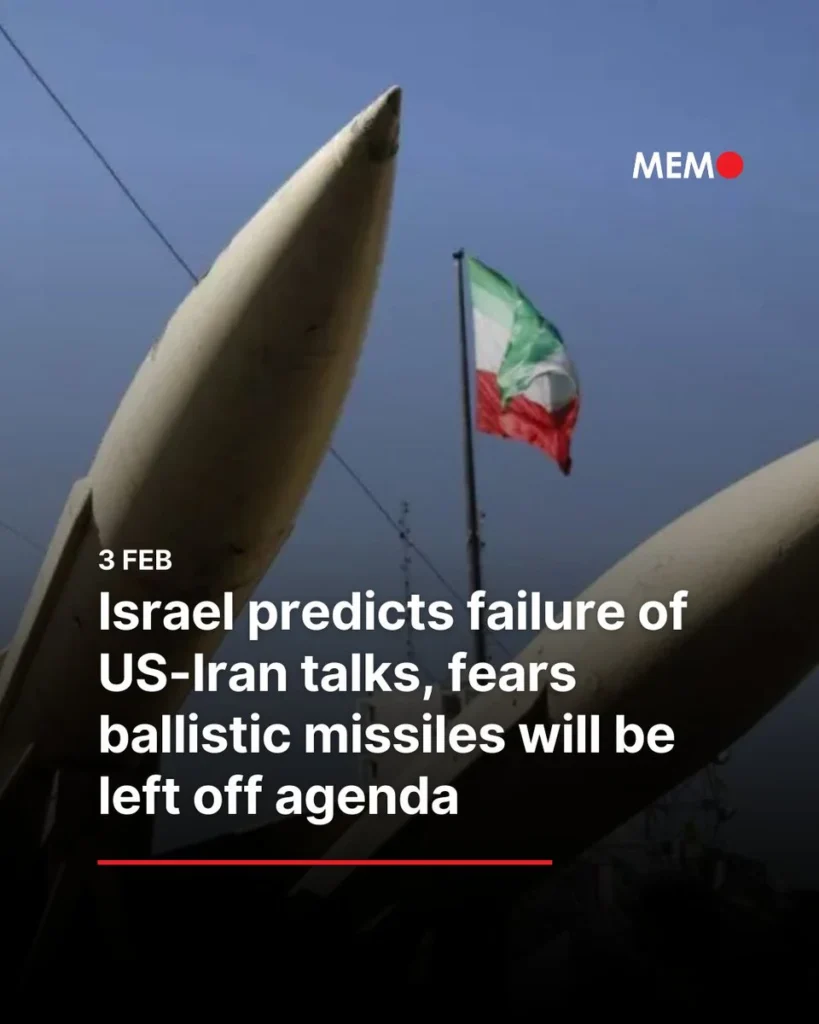
The comments come after President Donald Trump ordered a sharp military buildup near Iran’s coastline and renewed warnings of possible military action, further raising tensions between Washington and Tehran.
Rubio emphasized that limiting talks to nuclear issues alone would be insufficient. “In order for talks to actually lead to something meaningful, they will have to include certain things,” he said. “That includes the range of their ballistic missiles, their sponsorship of terrorist organizations across the region, their nuclear program, and the treatment of their own people.”
Iran has consistently rejected negotiations over its missile program, describing the weapons — which are capable of reaching Israel — as a legitimate means of self-defense. Tehran has also pushed back against discussions of its regional alliances, while maintaining that talks should focus exclusively on sanctions relief and nuclear commitments.
The diplomatic uncertainty comes as Iran faces mounting internal and external pressure. The country has been rocked by widespread protests in recent months, which authorities have violently suppressed, marking one of the most serious challenges to the Islamic Republic since the 1979 revolution. Regionally, Iran has also suffered strategic setbacks following Israel’s weakening of Hezbollah and the collapse of the government of former Syrian president Bashar al-Assad.
As speculation continues over whether talks will proceed — and where — the US position signals that any renewed diplomatic engagement with Iran will come with firm conditions and broader demands than in previous negotiation rounds.
With AFP