




US Rejects Iran’s Bid to Alter Talks as Diplomatic Standoff Deepens
The United States has rejected Iran’s request to change both the location and format of planned talks, a move that has further heightened tensions between the two longtime adversaries and raised concerns over possible escalation, according to a report published on Wednesday.
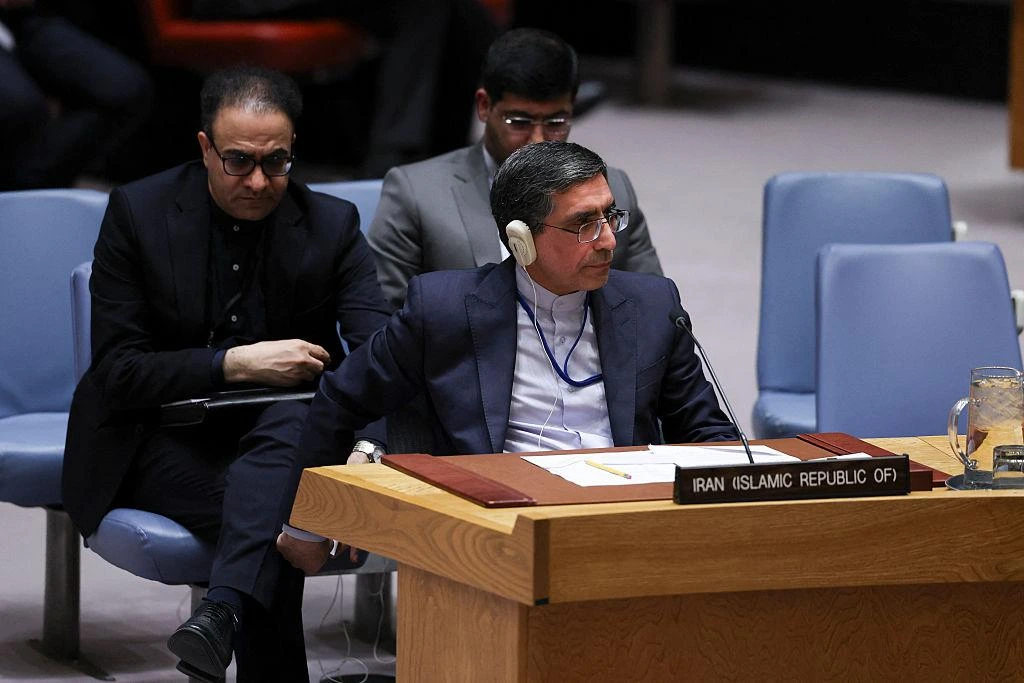
Washington and Tehran had previously agreed to hold talks on Friday in Istanbul, with several Middle Eastern countries expected to participate as observers. However, Iranian officials later proposed moving the talks to Oman and shifting to a bilateral format, arguing that discussions should focus exclusively on Iran’s nuclear program and exclude other issues such as missiles and regional influence.
US officials reviewed the request but ultimately declined it, Axios reported. “We told them it is this or nothing, and they said, ‘Ok, then nothing,’” the outlet quoted a senior US official as saying.
Another US official warned that if Iran refuses to return to the original format, “people will look at other options,” an apparent reference to repeated threats of military action by US President Donald Trump. The official added that there was now a strong possibility the talks would not take place at all this week.
Conflicting reports have since emerged regarding the status and venue of the discussions. Earlier on Wednesday, Iran’s state-linked Tasnim news agency reported that Iranian Foreign Minister Abbas Araghchi and US envoy Steve Witkoff would hold indirect talks in Muscat on Friday, focusing solely on Iran’s nuclear program and the lifting of sanctions.
Later, Reuters cited a regional official as saying preparations were underway for direct talks between Iran and the United States in Oman, with Turkey no longer under consideration. Early media reports had pointed to Istanbul as the venue, but Iran has consistently signaled a preference for Oman.
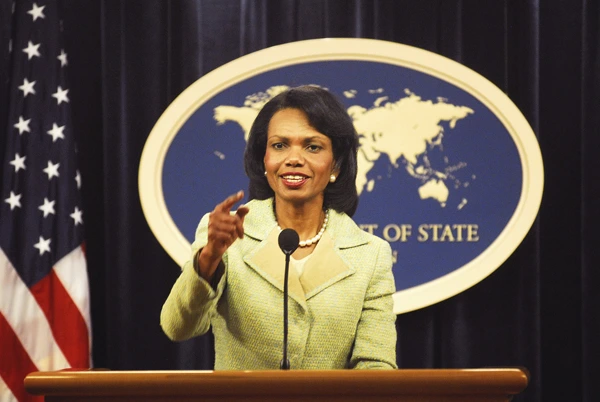
US Secretary of State Marco Rubio said Washington remains open to dialogue but stressed that any meaningful negotiations must address a broader set of concerns.
“In order for talks to actually lead to something meaningful, they will have to include certain things,” Rubio said, citing Iran’s ballistic missile program, its support for regional militias, its nuclear activities, and its domestic human rights record.
Iran, however, has repeatedly insisted that negotiations be limited strictly to nuclear issues, rejecting discussions on missiles or its regional alliances.
The diplomatic uncertainty comes amid sharply rising tensions between Tehran and Washington. The United States has recently deployed an aircraft carrier group to the Middle East following a violent crackdown on anti-government protests in Iran.
Iranian authorities have acknowledged more than 3,000 deaths during the unrest, while the US-based HRANA said it has confirmed at least 6,872 deaths, most of them protesters killed by security forces. Other rights groups have warned that the actual toll could be significantly higher.
The impasse underscores the fragile state of US–Iran relations, as diplomatic efforts struggle against deep-seated mistrust and escalating geopolitical pressure.